Table of contents
Discovering timeless treasures in pre-owned furniture markets is both an art and a science—one that rewards patience, a discerning eye, and a touch of creativity. For those who appreciate the charm of vintage aesthetics and the craftsmanship of bygone eras, these markets offer a wealth of hidden gems waiting to be found. Dive into this guide to unlock expert strategies and insider tips that transform your furniture hunting experience into a journey of style, sustainability, and smart investment.
Recognizing quality craftsmanship
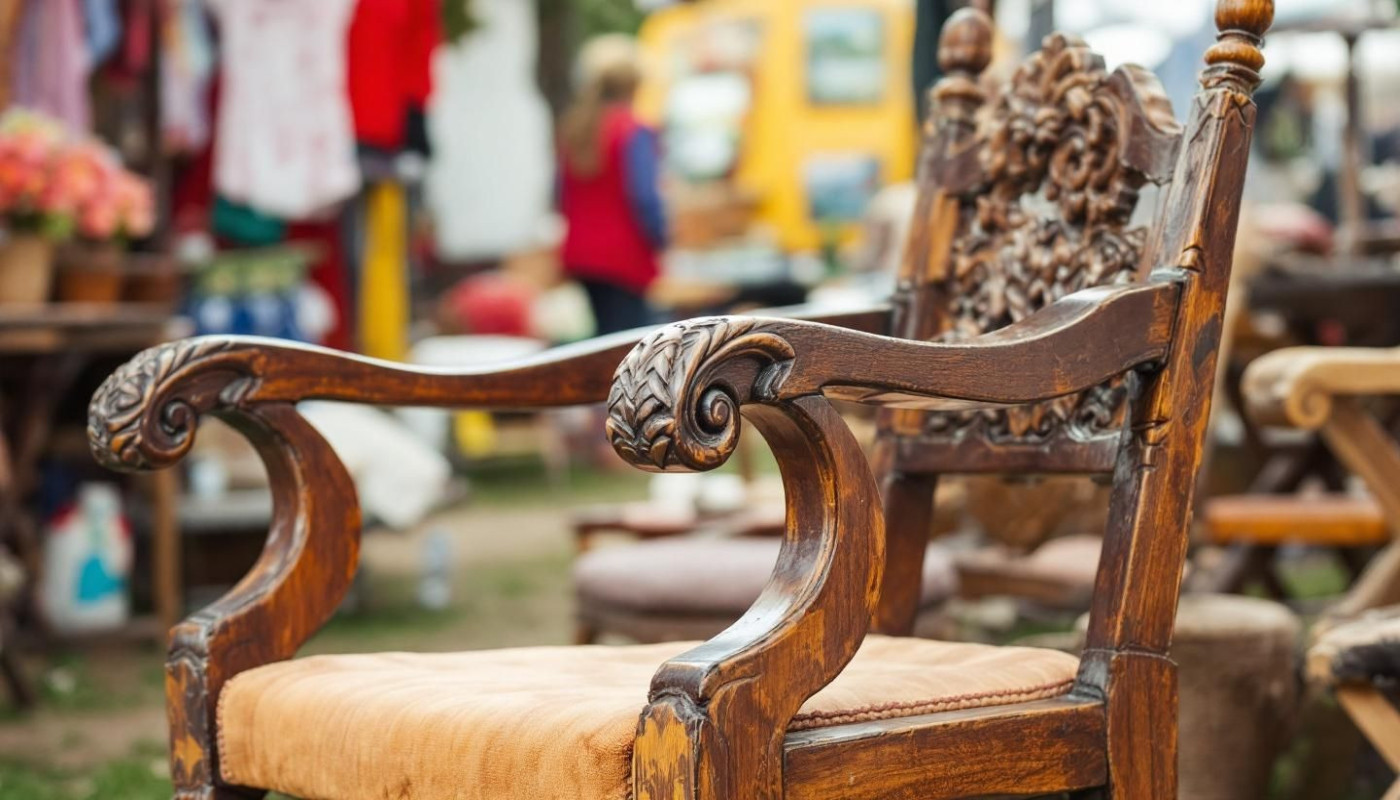
Spotting timeless treasures in pre-owned furniture markets depends largely on recognizing superior craftsmanship. A seasoned antique furniture appraiser knows that joinery is one of the most telling indicators of quality, with techniques like the mortise and tenon joint offering both strength and durability. This kind of joinery, commonly found in vintage furniture, demonstrates careful construction and a dedication to lasting value. Examine pieces for smooth, tight joints without visible nails or screws, which often signals a quality check passed by skilled artisans. Finishes are equally telling; look for even patinas or hand-applied finishes that enhance the wood’s natural character rather than masking imperfections. Durable materials such as hardwoods not only speak to longevity but also indicate that the furniture was made to withstand generations of use. When searching for pre-owned furniture, these elements—well-executed joinery, refined finishes, and robust materials—serve as reliable markers of exceptional craftsmanship.
Identifying real vintage pieces
When navigating pre-owned furniture markets, discerning vintage furniture from modern reproductions demands a keen eye for authenticity. Key age indicators such as dovetail joints, hand-planed surfaces, and solid wood construction point toward genuine antique origins, as these methods were prevalent before mass production. Examining the patina—a technical term for the soft sheen and wear that develops on wood and metal over decades—offers further insight, since authentic pieces feature subtle color changes and imperfections from regular use. Replicas often lack this nuanced patina, appearing either too uniform or artificially distressed. Observing hardware, such as hinges and drawer pulls, can also help; genuine vintage furniture usually sports hand-forged or aged fittings, while reproductions tend to use modern production methods. These practical strategies allow collectors and enthusiasts to confidently assess authenticity and invest in pieces that truly capture the charm and history of earlier eras.
Spotting hidden restoration potential
When browsing the pre-owned furniture market, mastering the art of assessing structural integrity is the key to identifying pieces with promising restoration potential. Examine joints for sturdiness, check for signs of woodworm or rot, and ensure that frames are not warped; a solid foundation means the item is likely repairable. Surface scratches, faded finishes, and minor veneer damage are typically manageable issues in furniture restoration and make for ideal upcycling projects. Meanwhile, pay attention to the availability of replacement parts or hardware, as some vintage designs are easier to restore due to standard sizing or abundant resources for restoration tips. Understanding these factors can help spot unique finds that are both beautiful and sustainable investments.
Repairable furniture often hides beneath worn varnish or outdated upholstery; envisioning a piece’s full potential demands familiarity with finishing options—such as staining, painting, or reupholstering—to elevate its appearance and value. In some cases, a new finish can transform a tired item into a centerpiece, while careful repairs enhance functionality and longevity. The expertise of a master furniture restorer underscores the value of patience and thorough inspection, which are essential in successfully upcycling treasures from the pre-owned furniture market. For inspiration or to explore curated selections, The Auctionlab showcases a diverse range of vintage and modern pieces ready for restoration, offering excellent opportunities for enthusiasts and collectors alike.
Assessing value versus price
Determining whether a piece of pre-owned furniture is offered at a fair price begins with a close examination of its condition, rarity, and provenance. Start by scrutinizing the furniture for signs of wear, restoration, or alterations, as these factors directly impact furniture value in the secondhand market. Look for original hardware, intact joinery, and patina, all indicators of authenticity and well-preserved craftsmanship. Rarity plays a significant role as well; pieces from limited production runs, renowned designers, or specific historical periods often command higher prices due to their scarcity. Provenance, or the documented history of ownership, further enhances a piece’s desirability and worth, especially if it can be traced to notable individuals or collections. Comparing similar items sold in recent auctions or reputable secondhand outlets can also help gauge if the asking price aligns with current market trends, ensuring buyers make informed decisions when seeking timeless treasures in pre-owned furniture markets.
Evaluating style and versatility
Discerning timeless furniture in pre-owned furniture markets requires a keen understanding of versatile décor and classic design elements. Acclaimed interior designers often recommend focusing on pieces that exhibit transitional style, as this approach blends traditional and contemporary aesthetics, ensuring the furniture adapts seamlessly to evolving interiors. When seeking versatile décor, look for characteristics such as clean lines, balanced proportions, and neutral finishes, all of which align with a style guide for lasting appeal. Recognizing subtle details like quality hardware, understated ornamentation, and sturdy construction can signal a piece’s potential to complement various settings, from modern minimalism to classic elegance. This method allows pre-owned furniture to remain relevant and attractive as design trends shift, making each acquisition a lasting addition to any collection.
Similar

Repurposing vintage finds unique DIY ideas for home decoration

Transforming Spaces: How Cute Coffee Mugs Can Double As Whimsical Home Decor

5 Innovative Lighting Techniques To Transform Your Living Space

The Influence Of Pop Art On Modern Home Decor Trends
