Table of contents
Efficient land clearing is a pivotal step in transforming overgrown spaces into usable land, whether for agriculture, construction, or landscaping projects. The decision to utilize a mulcher or a chipper can greatly impact the speed, cost, and effectiveness of your operations. Discovering the distinctions and best-use scenarios for these two powerful tools provides valuable insight for anyone looking to maximize results while minimizing effort—read on to unveil the methods that will make your next land clearing project a success.
Understanding mulchers and their uses
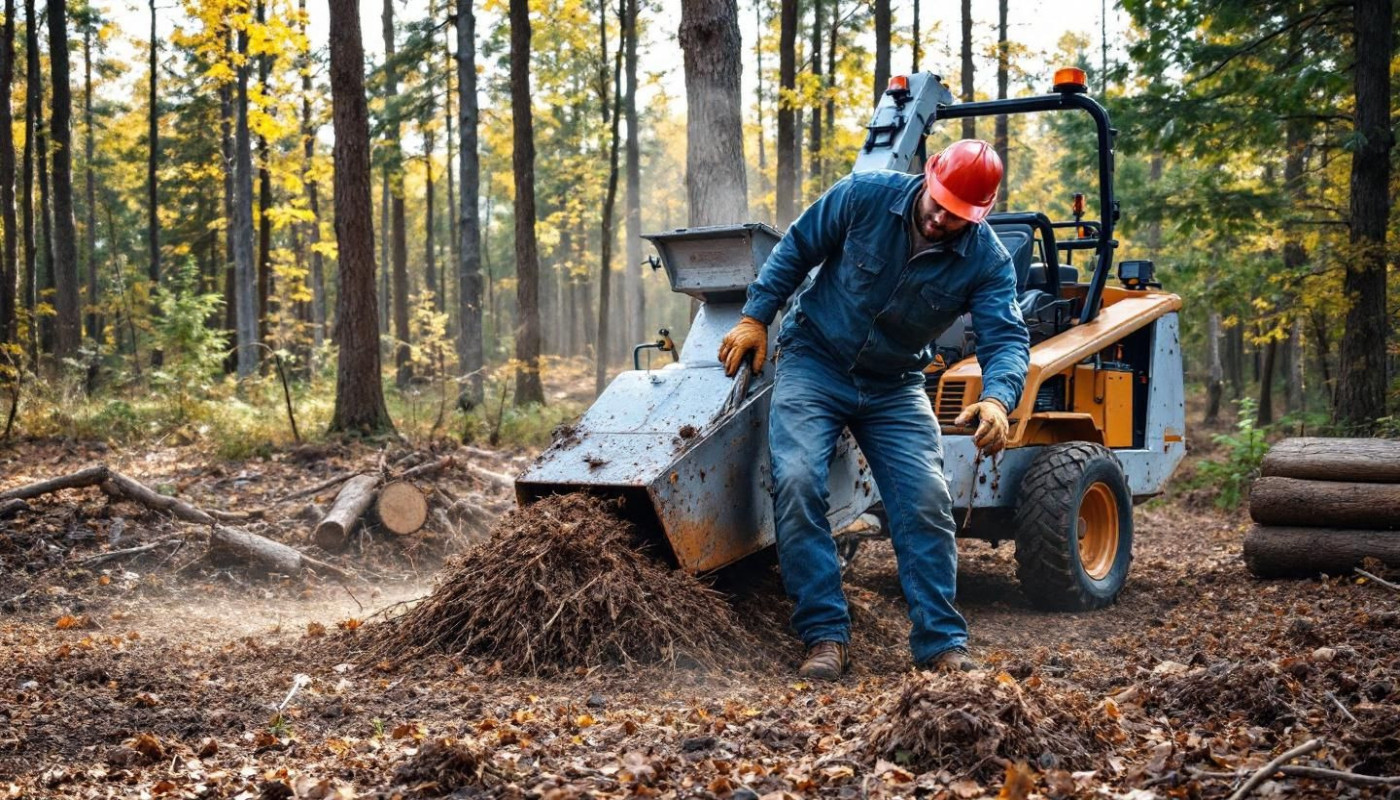
Mulchers are specialized machines designed for land clearing and vegetation management, offering a practical solution for efficiently handling dense brush, shrubs, and small trees. Operating with a powerful rotary drum equipped with cutting teeth, a mulching machine shreds organic debris on-site, transforming it into fine mulch that enhances soil health and suppresses regrowth. This method eliminates the need to haul away debris, conserving both time and resources during site preparation. Forestry mulchers excel in environments where the goal is to preserve the topsoil structure and minimize environmental impact, making them ideal for clearing overgrown lots, maintaining utility corridors, and managing wildfire risk. By enabling the rapid reduction of plant matter without disturbing the ground, these machines support sustainable vegetation management and help restore land for agricultural, construction, or conservation use.
Chippers for debris reduction
Chippers are specialized land clearing equipment designed for the efficient processing of woody debris, making them a preferred solution when managing large volumes of branches, logs, and brush after tree removal or storm clean-up. The core function of a wood chipper or tree chipper is to break down cut wood material introduced through the feed chute, using powerful rotating blades to reduce it into uniform wood chips. These chips are often reused for landscaping applications, as mulch, or transported for wood recycling, streamlining the debris removal process and minimizing landfill waste. Chippers are most effective when dealing with sizable wood pieces, such as limbs and trunks, which can be cumbersome for mulchers to handle efficiently.
Selecting chippers over mulchers is recommended for projects where the main objective is the reduction of bulky, woody debris into consistent, manageable chips. This is particularly relevant on large properties or commercial sites where rapid debris reduction is essential. Their robust design enables the handling of denser material, allowing clearing crews to maintain productivity and safety standards during extensive land clearing operations. For more information on the advantages and technical specifications of chippers and their role in effective land management, refer to article source.
Key differences in operation
When conducting an equipment comparison between mulchers and chippers, operational efficiency becomes a deciding factor for many land managers. Mulchers primarily process brush, small trees, and undergrowth, grinding them into fine, evenly distributed mulch directly onto the ground. Their clearing methods emphasize quick ground coverage and soil enrichment, with debris typically discharged downward or to the side through a discharge chute. Chippers, by contrast, specialize in handling limb wood, branches, and larger logs, producing coarser wood chips. These chips are expelled through a top-mounted discharge chute, allowing for easy collection and transport. The output material differs significantly: mulch enhances soil health and erosion control, while wood chips are suited for landscaping or biomass fuel. Understanding these distinctions in output material is essential for selecting the right equipment for a project.
From a usability perspective, mulchers are often favored for their straightforward operation and maneuverability, especially in dense, brush-filled areas where continuous ground clearance is needed. Chippers, though robust and capable of processing thicker material, usually require more preparation—such as cutting limbs to feed them efficiently—and frequent monitoring of blade sharpness to maintain operational efficiency. Maintenance needs also vary; mulchers face more wear on rotating teeth, demanding regular replacement, while chippers need ongoing attention to their cutting blades and mechanical feed systems. Mobility also influences decision-making: tow-behind versions of both machines exist, but self-propelled mulchers offer superior access on uneven terrain. Choosing between a mulcher vs chipper ultimately depends on the specific clearing methods required, the nature of the vegetation, and the intended use of the output material.
Choosing the right tool for the job
Effective equipment selection is paramount in land management, and project planning should begin with a thorough assessment of job requirements. Start by analyzing the project's scale: for vast tracts with dense vegetation, mulchers offer rapid area coverage and excel in sustainable clearing, shredding plant material into mulch that nourishes the soil. Chippers, in contrast, are ideal for targeted jobs focusing on branches and smaller trees, producing wood chips that can be repurposed or removed. Evaluate the terrain—mulchers possess enhanced maneuverability on uneven or rugged ground due to their favorable power-to-weight ratio, while chippers often require more stable, accessible locations. Weighing these factors ensures the tool aligns with both the land’s demands and the project's end goals.
Safety and cost-effectiveness are indispensable in the evaluation process. Mulchers, with their enclosed cutting mechanisms, often present fewer hazards during operation, though both machines require skilled operators and adherence to protocols. Consider the environmental impact: mulchers support sustainable clearing by returning organic matter to the ecosystem, whereas chippers are preferable when removal of debris is necessary. Financially, compare the initial investment, maintenance, and operational costs relative to the project's timeline and scale. By integrating these considerations into equipment selection, land managers can optimize project planning and guarantee that every phase— from initial clearing to final site preparation—achieves a balance between efficiency, safety, and ecological responsibility.
Maximizing efficiency and safety
Ensuring clearing safety during land clearing projects demands strict adherence to operator training protocols and consistent use of protective guarding on both mulchers and chippers. Operators should receive ongoing instruction covering machine-specific safety features, proper start-up and shutdown procedures, and hazard recognition for each work environment. It is vital to inspect and maintain equipment regularly, focusing on critical components such as blades, hydraulic systems, and protective guarding, to prevent unexpected downtime and mechanical failures. Implementing land clearing best practices includes establishing clear communication signals among crew members, maintaining safe operating distances, and wearing appropriate personal protective equipment.
Machine maintenance remains a key factor in boosting productivity and minimizing risks. Routine checks on lubrication levels, sharpening cutting elements, and cleaning debris from intake and exhaust areas will help maintain optimal performance throughout the project. Productivity tips involve planning work paths to minimize machine travel, grouping material types for more efficient processing, and adjusting operating speeds to match site conditions. By incorporating rigorous operator training, proper use of protective guarding, and diligent machine maintenance into every project, operators can optimize both safety and efficiency, leading to successful land clearing operations.
Similar

Edible perennials for a low-maintenance food garden

Reviving the Lost Art of Topiary in Urban Gardens
